AGP Executive Report
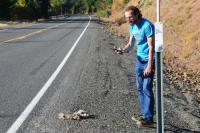
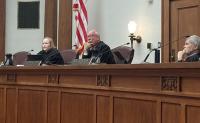
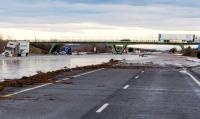
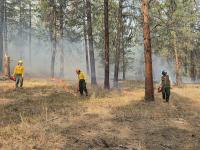
Last update: 3 hours agoColumbia Crossing: A new lawsuit seeks to block the I-5 bridge’s fixed-span design, arguing its 116-foot clearance could hinder river navigation and upriver businesses. Data Centers: Gov. Tina Kotek’s pause on some permits has Umatilla declaring an emergency over lost expected revenue; the state says it is reviewing standards for development. Drinking Water: DEQ is seeking public input on $1.014 million in federal funds to investigate groundwater problems affecting at least 61 properties near a Prineville-area mine. Water Supply: A new report warns that climate change is shifting when water is available in the Columbia Basin, with less expected in summer as demand grows. Wildlife: ODFW is tracking a collared wolf near Baker Valley amid reports of other wolves; separately, a necropsy found a ship strike killed a young humpback near Fort Stevens. Recycling: Lane County has opened four free drop-off centers for items such as plastic film, shredded paper and foil. Environmental Oversight: Oregon’s Court of Appeals revived activists’ lawsuit alleging the state’s intelligence center surveilled organizers without a link to criminal activity.
Note: AI summary from news headlines; neutral sources weighted more to help reduce bias in the result. Feedback is welcome. Please let us know if you have any comments or suggestions about the AGP Executive Report.

 Perspectify News